Acoustic Panels: The Ultimate Guide to Sound Absorption for Home, Office & Commercial Spaces
2026-04-29
Unwanted noise disrupts comfort and productivity—whether at home, in the office, or in commercial spaces. If echo, reverberation, or external sound bothers you, acoustic panels are the simple solution. This guide covers how they work, their benefits, applications, and how to choose the right ones.
What Are Acoustic Panels?
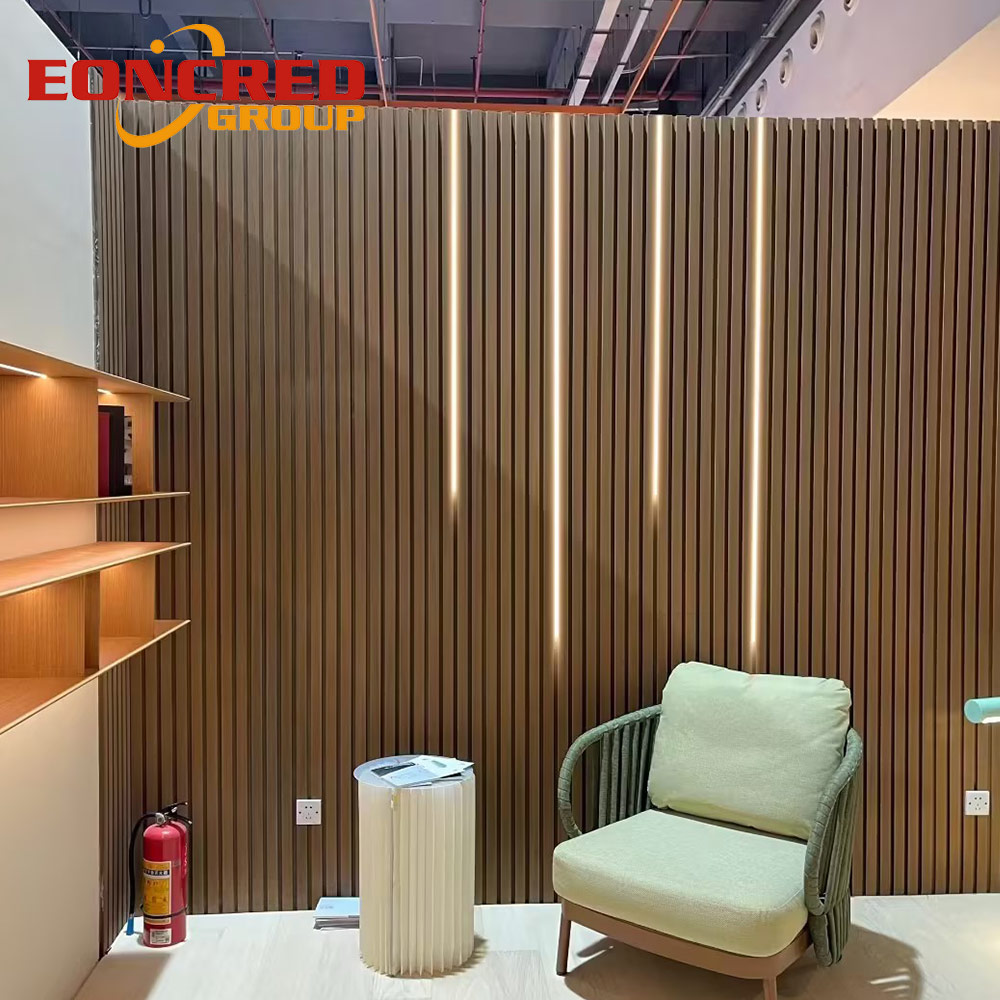
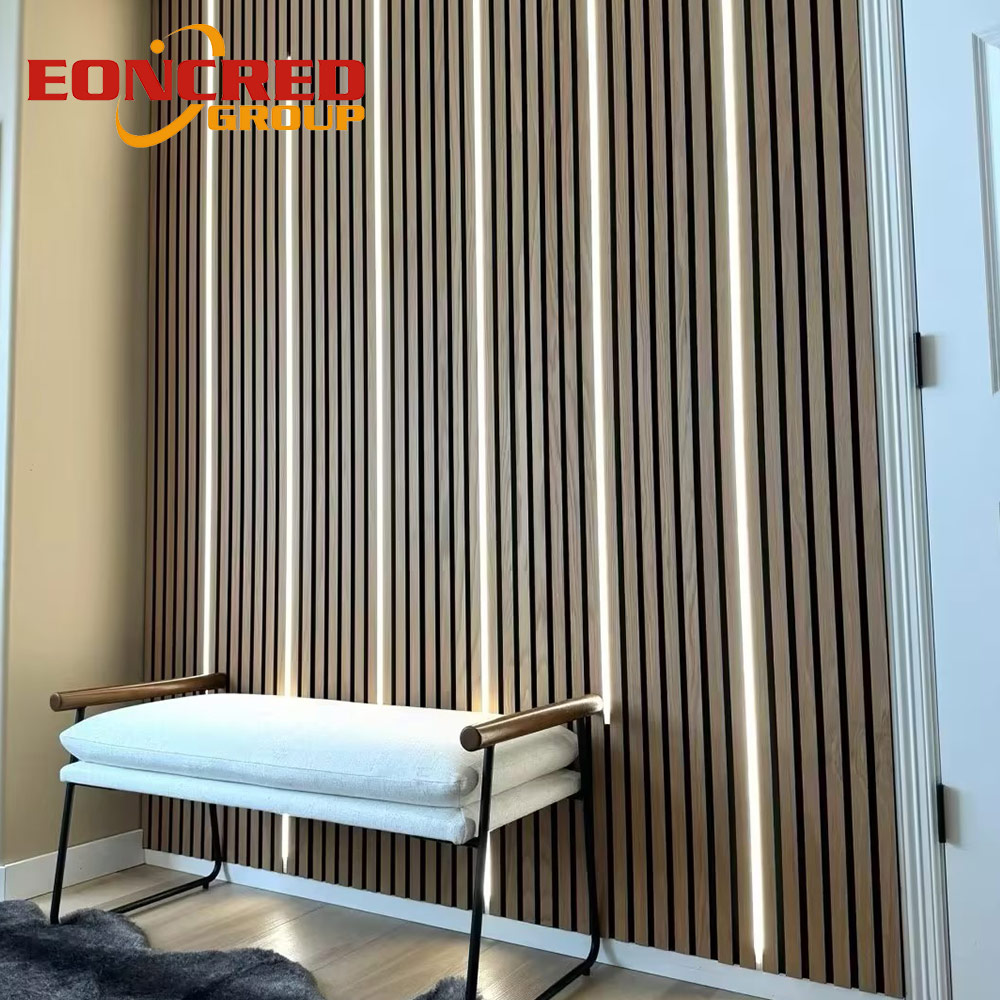
Acoustic panels (sound absorbing panels) reduce sound reflection, echo, and reverberation. Unlike soundproofing (which blocks sound), they absorb sound waves to prevent bouncing off hard surfaces. Made from porous materials (rockwool, fiberglass, foam, or recycled polyester) wrapped in fire-resistant fabric, they’re functional and aesthetically versatile.
How Do Acoustic Panels Work?
Sound waves reflect off hard surfaces, causing echo. Acoustic panels use porous materials to trap sound waves, converting them into minimal heat (sound damping). Effectiveness is measured by the Noise Reduction Coefficient (NRC): 0-1, with 0.7-0.9 ideal for most residential and commercial spaces.
Key Benefits of Using Acoustic Panels
Reduces Echo: Eliminates “empty room” echo, critical for home theaters, offices, and studios.
Improves Sound Quality: Ensures crisp, clear audio for music, movies, and conversations.
Size & Placement: Cover 20-30% of wall/ceiling; focus on sound reflection points (behind speakers, above desks).
Aesthetics: Choose panels that match your decor.
Installation: Adhesive (no damage), screws (secure), or hanging (renters).
Final Thoughts
Acoustic panels are an affordable, effective way to reduce noise, improve sound quality, and create a more comfortable space. Choose the right NRC, material, and placement to transform any noisy room.
Ready to upgrade your space? Explore our high-quality acoustic panels for home, office, and commercial use. Contact us to find the perfect fit!